

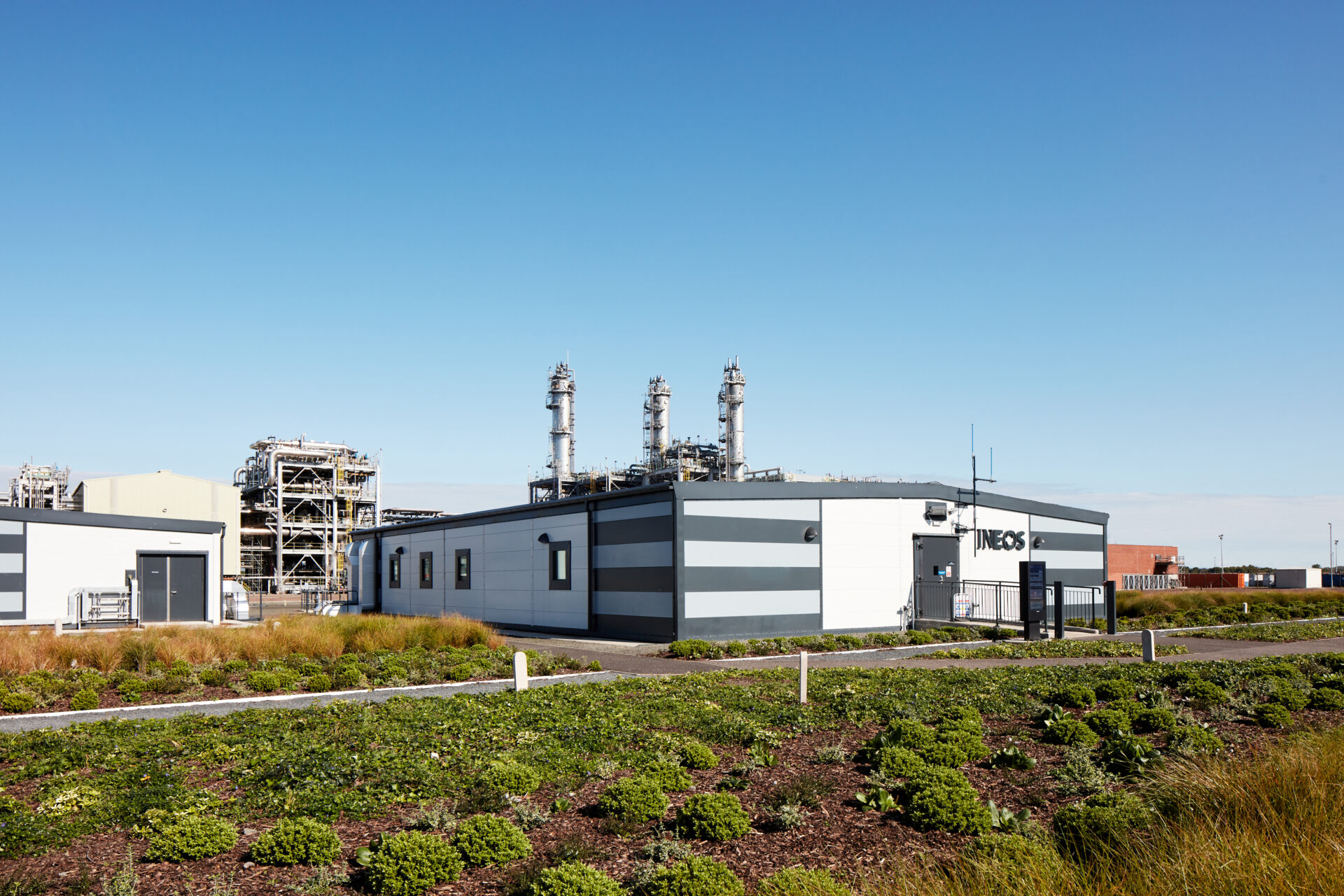

- The modular manufacturing sector is undergoing its most significant transformation in decades
- Key technologies such as AI and robotics will define the coming years
- By 2040, we can expect a radically different industry
The modular manufacturing industry in transition
The modular manufacturing sector is undergoing its most significant transformation in decades. Traditional methods are giving way to manufacturing-led approaches, driven by innovation, tighter regulation, and increasing demand for sustainable outcomes.
Sustainability is no longer a strategic option or an ESG soundbite. It is now a baseline expectation from clients, regulators, and society.
At Thurston Group, we are actively shaping this transition. Across our facilities, we are proving that modular construction can be faster, cleaner, and smarter, while delivering measurable environmental and commercial benefits.
Innovations shaping the next decade
Several technologies and approaches will define the future of modular construction:
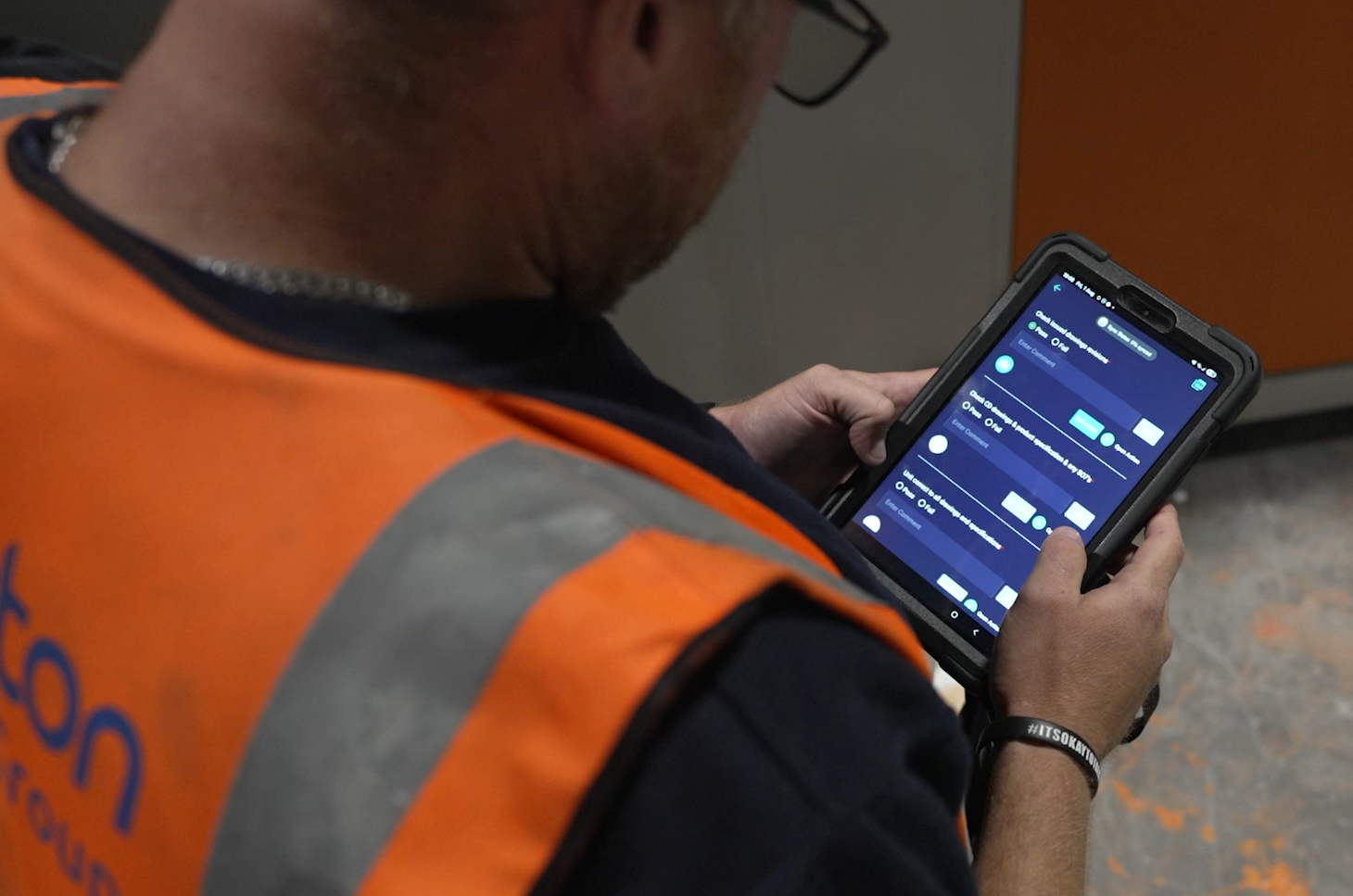
- AI and digital manufacturing systems: Real-time tracking of efficiency and quality, reducing waste and driving improvement.
- Robotics and automation: Enhancing precision, reducing risk, and freeing skilled labour for higher-value tasks.
- Digital twins and simulation: Virtual modelling to optimise sequencing, energy use, and materials.
- Pre-kitted components: Improving speed, reducing waste, and minimising rework.
Materials and technologies going mainstream
By 2035, we expect to see:
- Low-carbon steel and green concrete as standard materials.
- Recyclable components designed for disassembly.
- Renewable-ready designs with integrated solar, EV charging, and energy storage.
- Smart building materials that improve efficiency and generate energy.
At Thurston Group, we are already aligning with this future through material optimisation, waste reduction, and sustainable procurement.
Regulation as a catalyst
The Building Safety Act and embodied carbon reporting requirements are reshaping the industry. With further net-zero incentives likely, adoption will accelerate. Organisations that can evidence sustainability through a digital “golden thread” will lead the way.
Looking ahead to 2040
The modular manufacturing industry of 2040 will look radically different:
- Factories powered entirely by renewable energy.
- Buildings designed for reuse and full lifecycle circularity.
- AI-driven production lines adapting in real time.
- Communities delivered with significantly reduced carbon impact and faster timelines.
This is not theoretical — it is already happening.
Lessons from global markets
Working across the UK, Ireland, Europe, the Middle East, and the US provides valuable insight into how modular manufacturing is evolving globally.
- Scandinavia demonstrates how sustainability can be embedded through regulation and culture.
- Japan showcases precision, efficiency, and manufacturing excellence.
- Other regions highlight challenges where technology outpaces training or planning.
The key takeaway: technology alone is not enough. Success requires alignment between systems, people, and processes.
The human factor
Despite advances in AI and automation, people remain central to progress. The future of modular manufacturing depends on upskilling and empowering the workforce.
- Adopting digital systems
- Working with advanced manufacturing processes
- Collaborating across disciplines
The workforce of the future will combine traditional skills with digital expertise.
Our role at Thurston Group
Industrialised modular manufacturing is the future of construction.
The challenge is not to predict the future — but to build it.
And that is exactly what we are doing.
Want to work with an innovative construction partner? Get in touch.