Projects
BPA Kingsbury Oil Terminal Control Centre
A blast- and fire-resistant control centre engineered to protect people, operations and business continuity.
Solution: Engineered Solutions
Sector: Oil & Gas | Industrial & Process
Application: Blast-Resistant Buildings | Welfare & Site Accommodation
Project Overview
Client:
British Pipeline Agency (BPA)
Location:
Kingsbury Oil Terminal, Tamworth
Sector:
Oil & Gas | Industrial & Process
Solution:
Engineered Solutions
Application:
Blast-Resistant Buildings | Control Rooms and Control Buildings
Layout:
19 modular bays, single storey
Scope:
Design and build of blast- and fire-resistant modular control centre
Performance
increased acoustic performance; BMS controlled, Blast resistant
Requirement
Blast-resistant control building | Oil terminal | Process control | COMAH environment | Business continuity
A control centre at the heart of an operational fuel terminal has to do more than provide workspace.
BPA needed a facility from which its operations team could carry out the day-to-day monitoring and automated functions of the wider site, while maintaining the resilience required in the event of a serious incident.
Business continuity was central to the brief, whilst keeping occupants and mission critical equipment operational in the event of a site wide event.
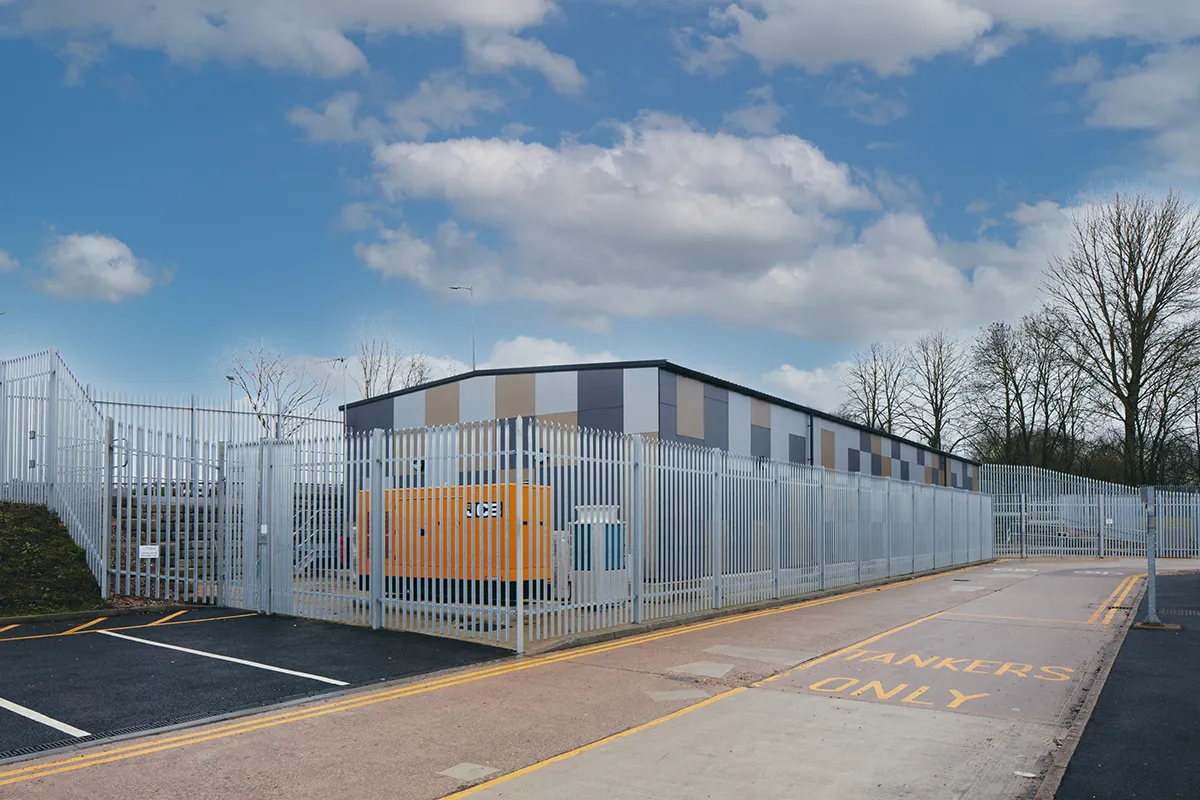
The building needed to withstand potential site hazards and protect both people and critical operational functions. The control room itself was developed around recognised control-room requirements and COMAH guidance.
At the same time, this was a live operational environment. Construction activity had to be carefully managed to minimise disruption to the terminal's ongoing operation - making the method of manufacture and installation an important part of the solution, not simply a construction choice. Minimising disruption was a key factor in selecting the modular approach.
The Challenge
The CATS Terminal presented the kind of brief where the building had to work on several levels at once.
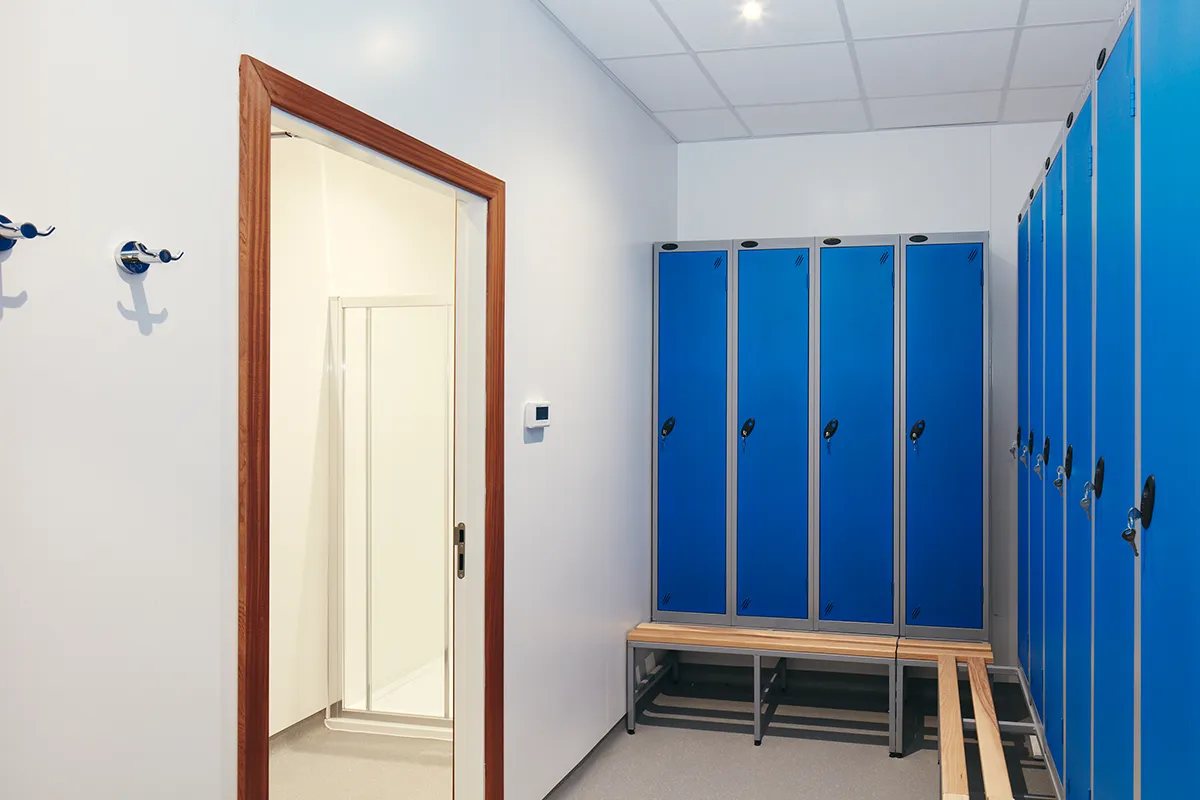
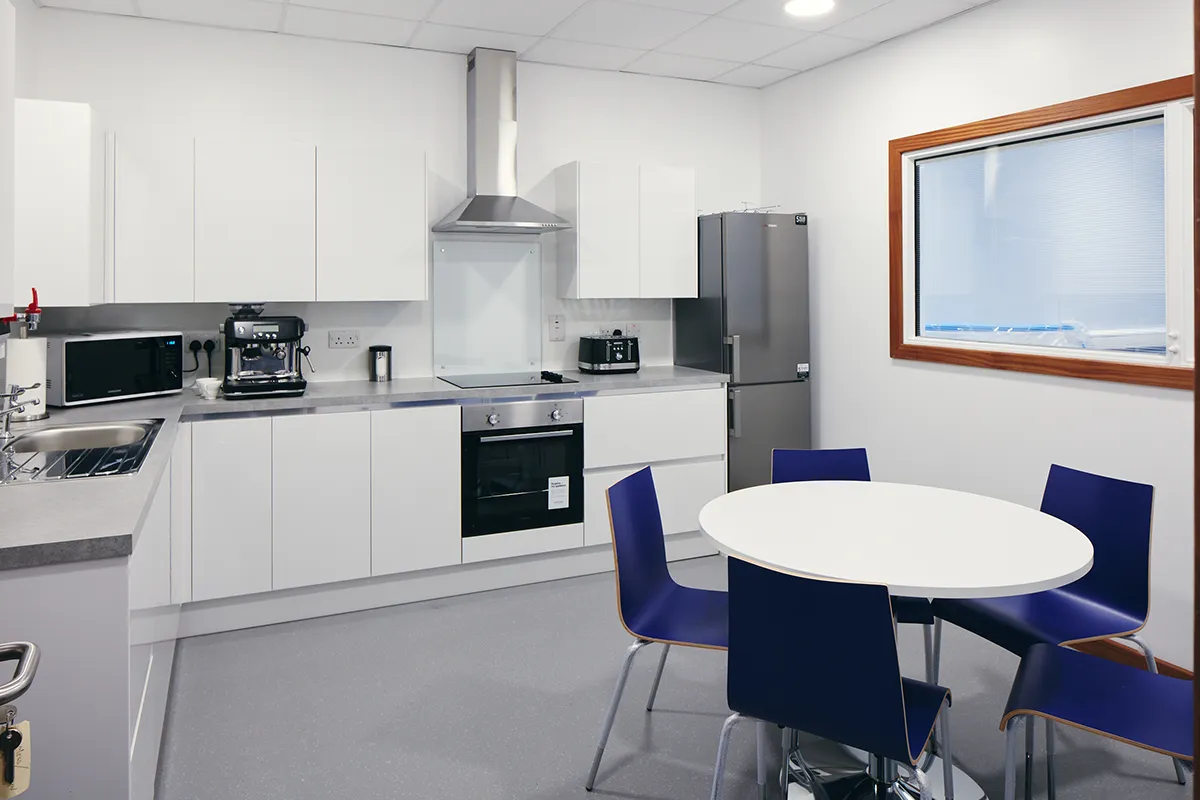
Operational teams needed a comfortable and practical environment for everyday use, providing offices, meeting facilities, catering and welfare accommodation.
But its location within a gas processing terminal introduced a much more demanding engineering requirement.
The building had to be designed and constructed around specific blast and radiant heat criteria, with the protective performance of the structure considered alongside the normal requirements of an occupied workplace.
There was also a challenging programme to meet.
The combination of process-safety requirements, building size, technical complexity and delivery timescale meant that confidence in the design and manufacturing approach was critical from the outset.
The solution
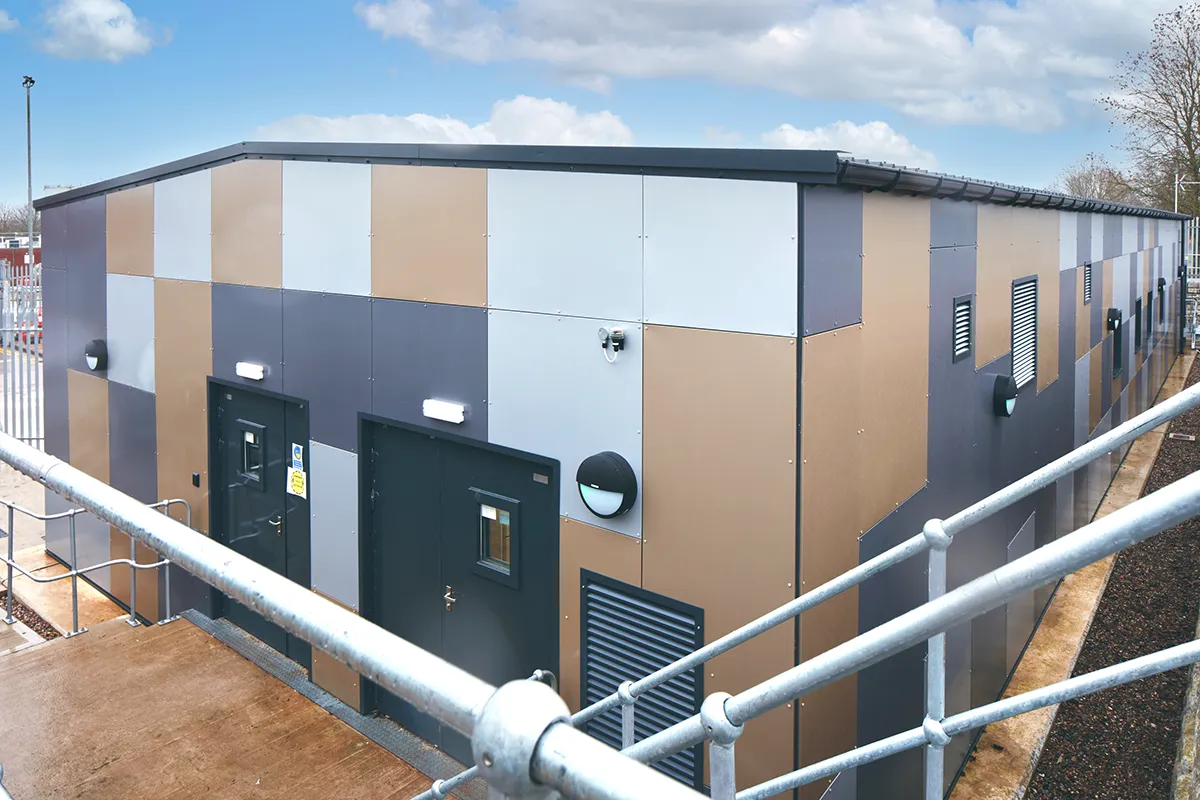
Thurston developed a bespoke blast-resistant modular control building comprising 19 individual bays brought together to create one integrated operational facility.
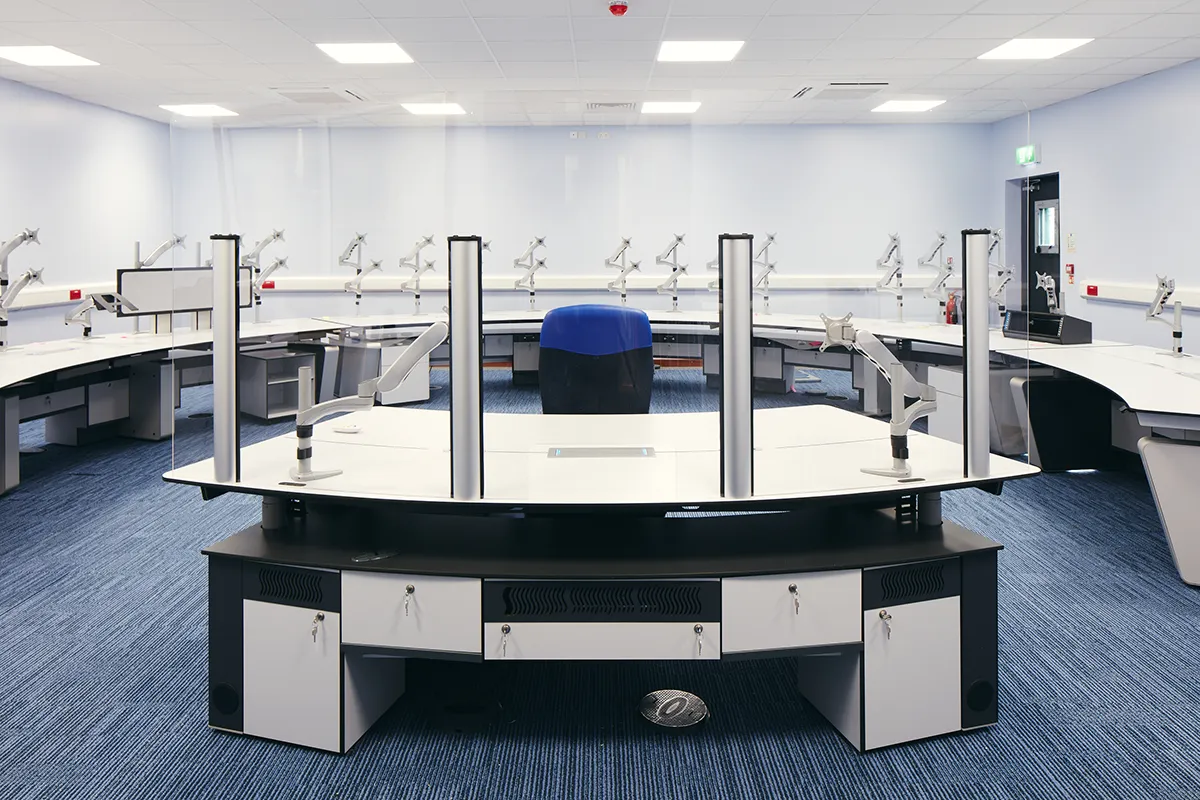
The building was organised around five principal areas: staff welfare facilities, a process engineering control and server room, a production scheduler's office, conference facilities and a dedicated plant room.
At its centre was the bespoke process control environment from which personnel could monitor and manage automated functions across the site.
The building was 100 mbar blast-rated, included standalone fire-suppression and UPS systems were incorporated to strengthen resilience and continuity of operation.
But technical resilience was only one part of the brief.
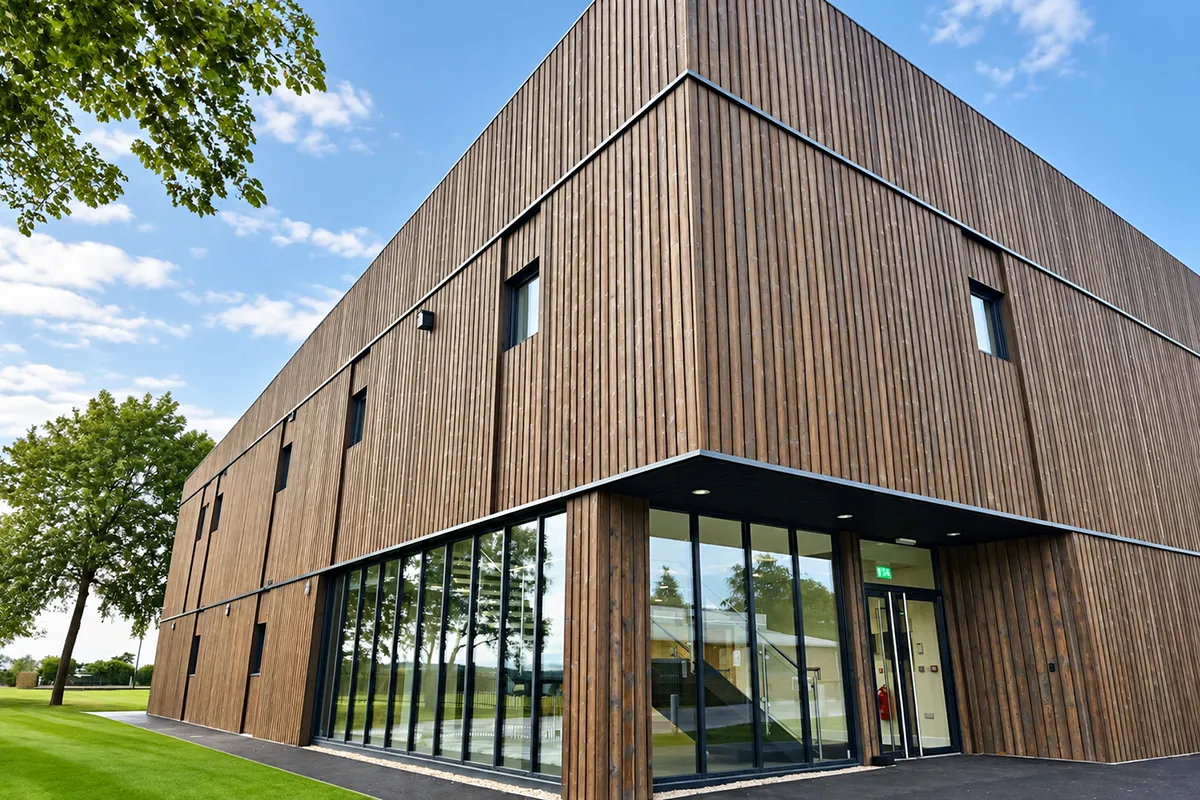
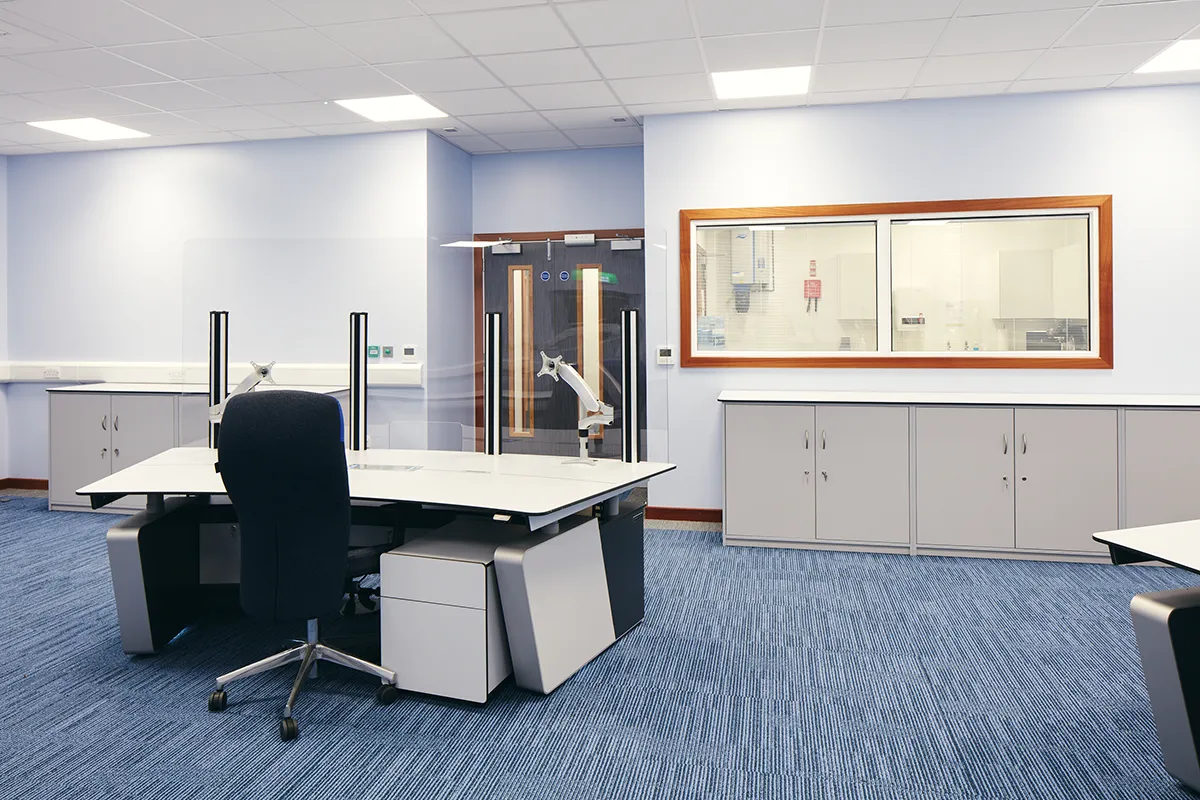
The completed building also incorporated an increased acoustic specification, glazed internal partitions, aluminium glazing, a BMS and architectural detailing including rainscreen cladding, which was a bespoke inhouse design, fully manufactured and installed by Thurston Group.
This created a control building designed not simply to withstand its environment, but to work effectively as an occupied operational workplace every day.
Engineering resilience and sustainability together
The project also demonstrates that specialist protective performance does not need to sit separately from wider building-performance objectives.
The engineering challenge was to bring resilience, operational requirements, occupant needs and environmental performance together within one manufacturable solution rather than treating each as a separate design problem.
The result
The completed facility provided BPA with a purpose-designed central control environment from which site personnel could monitor and manage day-to-day operations.
Its blast- and fire-resistant construction provides additional protection for people and critical systems, while the modular delivery approach helped reduce disruption within the live terminal environment.
For Thurston, the project demonstrates the breadth of Engineered Solutions capability: this is simultaneously a blast-resistant building, a critical control facility and a technically sophisticated modular workplace whilst incorporating architectural elements to ensure the building performs both functionally and aesthetically All whilst meeting COMAH site requirements.
The building exists to keep operations moving when they are running normally and to provide resilience when conditions are anything but normal.
What this demonstrates
Mission-critical control building capability
The building places process monitoring, automation and server infrastructure at the centre of a purpose-designed operational environment.
Blast- and fire-resistant engineering
The facility was designed around potential site hazards, with the current project record confirming a 100 mbar blast requirement.
Business continuity by design
Blast resistance, fire protection and UPS provision were incorporated around the need to maintain critical operational capability.
COMAH environment experience
The bespoke control facility was developed in line with the requirements of a major-hazard operating environment. HSE guidance specifically highlights explosions, toxic releases and fires among the events that control-room design may need to address at COMAH sites.
Live-site delivery
The modular strategy supported installation while minimising disruption to an operational terminal.
High-performance working environment
Increased acoustic performance, BMS control, internal glazing and dedicated welfare and conference facilities created an environment designed around the people operating it.
Engineered for the challenge
The project brought together structural protection, critical systems, human factors and business continuity within one engineered building.

Discuss your next project with Thurston
Tell us about your operational needs, site requirements and delivery challenges. Our team will help you develop a modular building solution designed around your project.